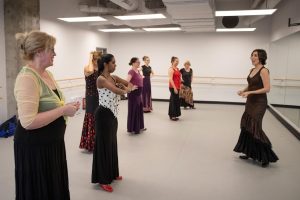
flamenco shoe guide banner

Flamenco Shoe Guide for Beginners

(Updated September 2025)

Starting Out — No Shoes? No Problem

If you are an absolute beginner and don’t have flamenco shoes or a practice skirt yet — don’t worry. To start:

  • Wear comfortable clothing that lets you move freely.
  • For footwear, bring the closest thing you have to a flamenco shoe: dress shoes or sturdy boots.
  • Avoid sandals or soft rubber soles — you need to hear the sound.
  • Heels should be sturdy, no higher than ~5 cm (2 inches). Thin heels make balance harder.
  • Skirts: eventually women will need a wide flamenco practice skirt, but at the beginning it’s better to wear pants or shorter skirts so your instructor can see your knees.


  • Why Real Flamenco Shoes Matter

    At first you can improvise with regular shoes, but as soon as your footwork gets faster, the right footwear makes all the difference. Flamenco shoes are your instrument. Without them, you won’t get the sound, support, or balance you need, and it’s easy to feel frustrated or discouraged.

    What to Look For in a Flamenco Shoe

  • Material: Always leather or suede. Avoid synthetic so the shoe adapts to your feet over time.
  • Heel: 3–6 cm (1–2.5 inches). Wider heels = more balance and stronger sound, personal preference in style and height.
  • Sole: Quality nails, don't jsut look at the top pat, make sure the shoe you are buying (specially online) has pictures of the nials and soles!.
  • Nails: Evenly hammered, not scratchy (badly nailed shoes damage floors).
  • Fit: Snug but not cramped; no gaps. Shoes should feel like part of your foot.
  • 🎥 Watch my video guide below:

    Choosing Your First Pair

    Many beginners try to save money on their first shoes — but ironically, it’s at the beginner stage that your feet need the most support. Cheap synthetic shoes are uncomfortable, sound poor, and can even ruin studio floors with bad nails.

    That’s why I recommend going straight to Spanish-made leather flamenco shoes, even for your first pair.


    Price Ranges (as of Sept 2025):

  • Amateur: CAD 25–100 if possible, avoid
  • Beginner / Semi-Professional Spanish brands: ~€100–130 (≈ CAD 150–200)
  • Professional models: ~€130–180 (≈ CAD 200–300)
  • Custom / tailor-made shoes: ~€150–200+ (≈ CAD 250–350+) professional and semi-professional only

  • This may sound like a lot upfront, but these shoes can last you for decades if you are dancing a few hours a week, they will fit your feet perfectly, give you real sound, and hold resale value.


    Amateur, Beginner, Semi-Professional and. Professional

  • Amateur: Generally speaking, not a good idea unless you are on a tight budget, if you can try them on and they fit well, they will do for a while, if they have nails, they are probaly scattered and will fall out, for these reason, the danger of these damaging floors is very high.
  • Beginners: MOre of the same, but there are likley better options.
  • Semi-Professional: Perfect for most beginners. Strong leather, good nails, supportive soles, lasting shoes and can be custom-made (not all shoe makers offer full csutomization on semi-rpfessional shoes, but some do, in terms of choosing color, heel height...etc.
  • Professional: Designed to withstand hours of daily dancing. Stitched soles for extra durability, with more leathers, colors, and styles.
  • Custom / Made-to-Measure: Tailor-made shoes are wonderful. With good care, they can last decades if you only dance a few hours a week. They mold perfectly to your feet, can be so comfortable you want to wear them all the time, and they have excellent resale value.
  • The Nails

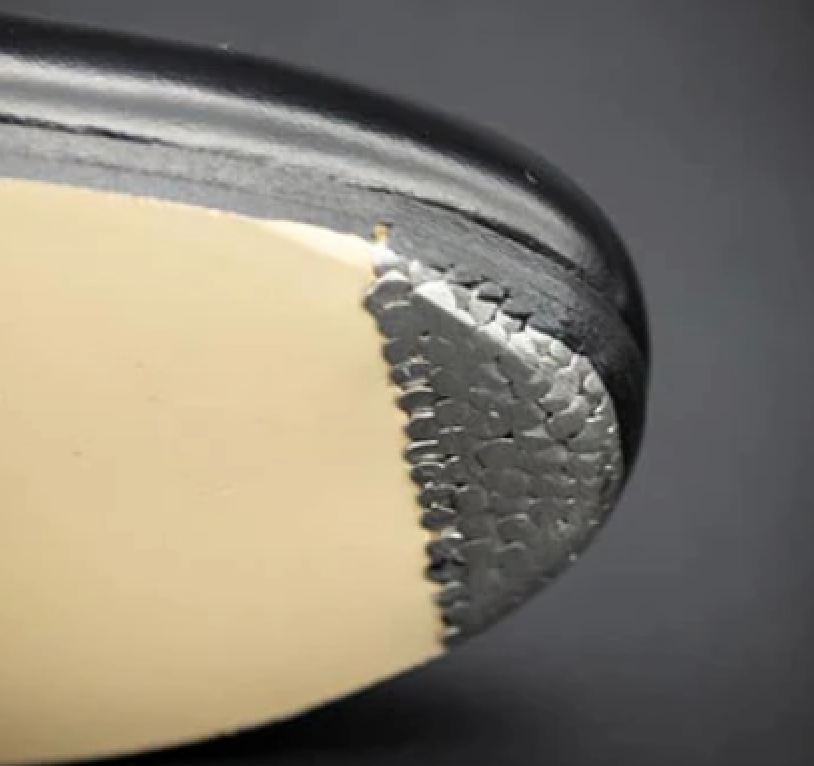
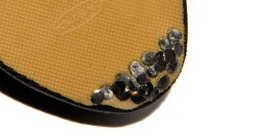
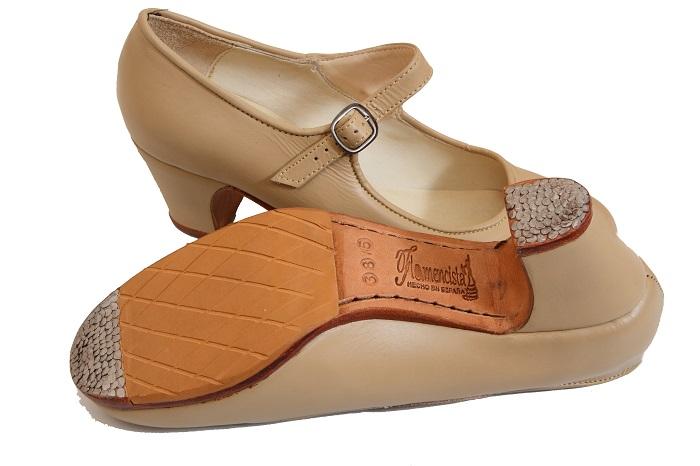
    Below you can see a picture of the tip of the sole of the shoe, the nails are nicely spread out and then shaved for smoothness, the same happens on the heels. This is perfect.
    shoe nails
    Below you see the difference: scattered nails, that will hardly make any sound and will likely scratchthe floor.
    zapato clavos mal
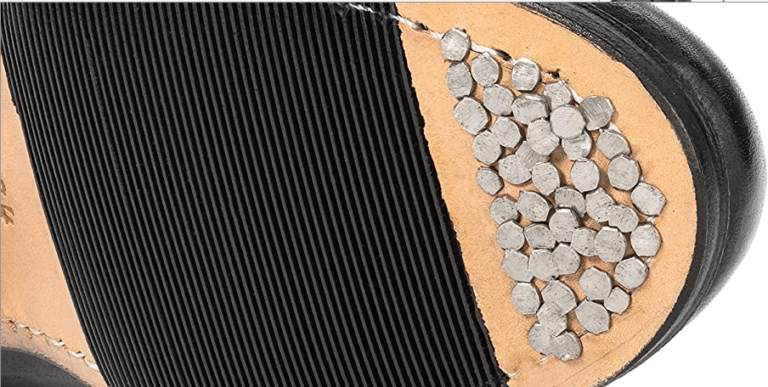
    The nails on the image below is literally designed to ruin floors and have no effect whatsoever on sound (sigh) amateur shoes!!
    screenshot 2025 09 11 at 15.15.18

    Brands to Know

  • Artefyl – High-quality brands, excellent craftsmanship, mostly geared to professionals but also has beginner shoes. I personally wear Artefyl, they fit me perfectly, love the brand.

  • Roberto Garrudo – Affordable, commonly used by dance schools, good for beginners.

  • Begoña Cervera – Beautiful designs, great for showing off, but in my experience not always consistent in quality (sometimes uneven heels).

  • Menkes (Amazon.ca) – Some affordable flamenco shoe options are available in Canada through Amazon, basic selection and quallity.

  • Gallardo – Similar quality to ARtefly, generally somewhat narrower on the toe area, again, personal preference..

  • TIP: Keep in mind that each shoe maker has a slightly different last (horm), so recommendations are often based on personal preference. Someone with narrow feet will likely not appreciate a brand that has a wider shape.


    Buying Online

    Mamy brands have their own online order forms, there are also protals that carry carry various brands. I personally have never bought online since I usually purchase shoes in Spain when I go.

    A well-known portail is Flamenco Export
    . Ask other students about their online shopping experiences—they’ll be glad to share!

    Once you find the right brand for you, check their own websites as they may offer different models or special pricing. Just be mindful of possible language barriers with customer service if ordering directly in Spanish.


    Choosing Professional or Semi-Professional Shoes or Custom Made?

    Here you can see the stitching of a "professional flamenco shoes". The stitching is what makes the difference between a semi-professional (glued) and a professional Shoe (glued AND stitched together); the stitching will bring the price up by around 50 euros. Beginners certainly do not need professional shoes, these shoes will last you literally forever.

    Choosing the Heel

    It should be between 3cm and 6cm (just over 1 inch to 2.5 inches). The height is measurer on the “longer-outside” part of the heel. I have had students measure the lower/inside part of the heel and order heels that were much higher than they thought. Heel height: although the height is a personal preference choice, you should consider the following: higher heels might break more easily and can be strenuous for the lower back and the ball of your feet unless you normally wear high heels and are used to staying on high heel shoes. Heel shape: the wider the heel, the better the balance and the louder the sound. Thinner and higher shoes will look more elegant, no doubt.

    Heels between 3cm and 5cm are probably the most popular and comfortable.. Below all the heels you can choose from:

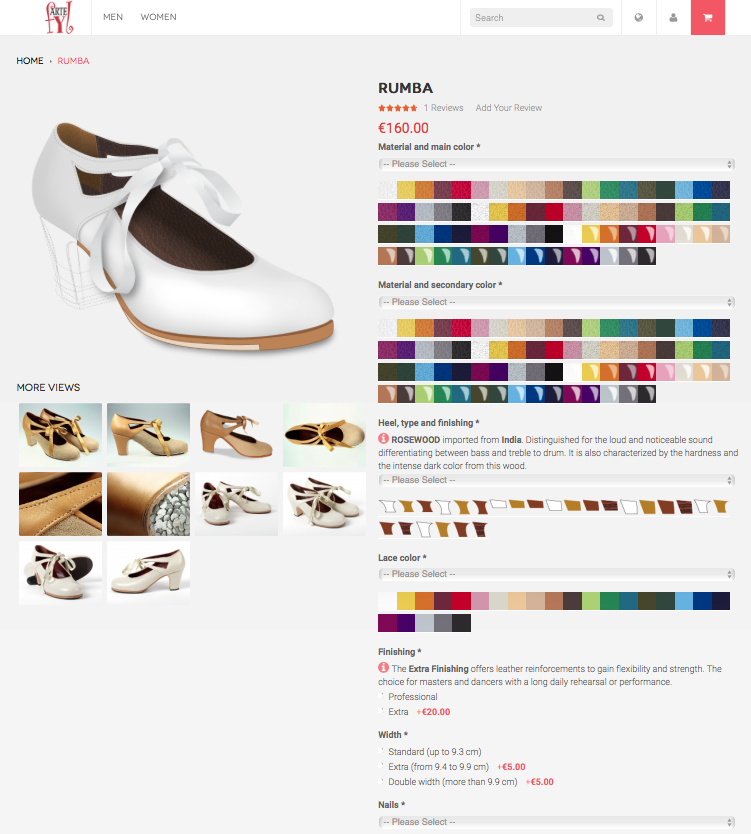
    Below a glimpse of the Custum-made portal from Artefyl Shoes, you can choose style, color, heel height...etc.

    Local Options (Halifax, Nova Scotia, Canada)

  • Student trades: Students sometimes sell or exchange shoes and skirts at our school.

  • Facebook “Flamenco Buy and Sell Group”: Join to post items or see what’s available locally.

  • Flamenco School Community Group: Request to join our private Facebook group to stay tuned on local second-hand options and news.


  • Final Word

    Dance with good, comfortable shoes — it makes all the difference.

    Your shoes are your instrument: through them you create rhythm, music, and expression. When your feet are supported and the sound is strong, dancing becomes joyful, fun, and powerful. Whether you’re just starting or investing in a custom pair, take time to find the right shoes — and enjoy the music on your feet!

    💬 I hope this guide is helpful! Please send me your feedback if you have anything to add or recommendations to make — I’d love to include them.

    Ballet Basics Entry Level On Demand Ballet Course for Adults

    Your First Ballet Class

    You are starting your ballet journey, and we’re so glad to welcome you!This guide will help you feel comfortable, confident, and ready for your first day with us at Ballet Beyond – Osende Dance Arts .
    Read More »
    Ballet Basics Entry Level On Demand Ballet Course for Adults

    Your First Flamenco Class

    What to Wear to Your First Flamenco Class
    New to flamenco? Don’t worry about having the right gear—just come as you are! This beginner-friendly guide outlines what to wear on your first day, including clothing tips and shoe recommendations. Learn how to stay comfortable, safe, and stylish as you take your first flamenco steps. Plus, get a sneak peek at basic flamenco techniques to get started with confidence.

    Read More »
    FLAMENCO SHOES BUYING GUIDE